Definition: Systems of Action
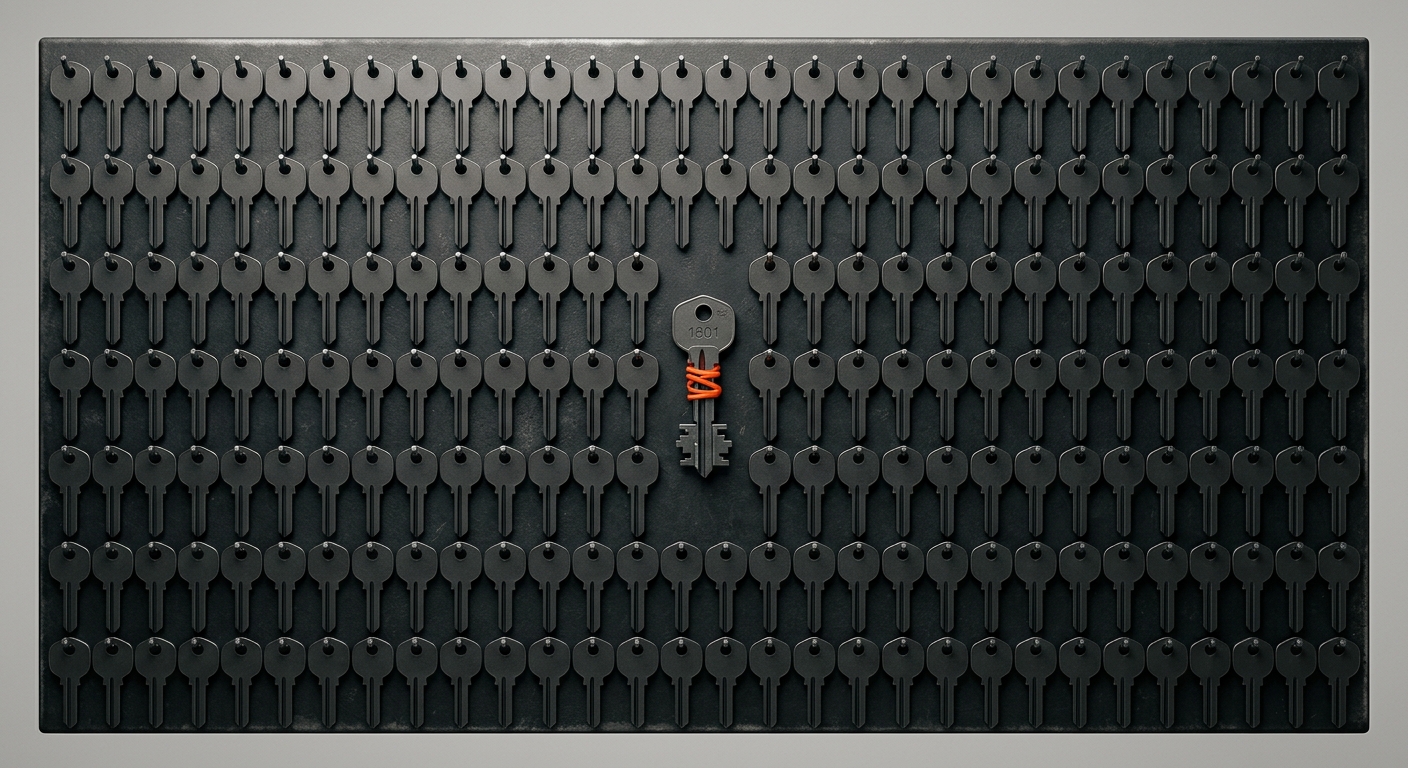
A system of action is an AI agent or agentic workflow that directly executes operational steps, such as creating an order or updating a record, rather than only surfacing information or a recommendation.
Core characteristics of systems of action
Systems of action are defined by what they may do, not just what they know.
- Write access to production systems, not only read access
- Governed by explicit permissions, approval thresholds, and autonomy levels
- Multi-step execution across several applications in one task
- Logged, auditable actions a human can trace and reverse
Systems of Action vs. Systems of Intelligence
A system of intelligence reasons over data and produces a recommendation, such as a reorder quantity for a human to approve. A system of action carries that through, placing the order and updating the ERP without anyone re-entering it by hand. Mature deployments pair both, intelligence deciding and action executing under defined limits.
Importance of systems of action in enterprise AI
Most AI pilots stall at the recommendation stage because the last step still needs a person to switch applications and re-type data. Gartner expects 40 percent of enterprise applications to feature task-specific AI agents capable of that step by 2026, up from under 5 percent in 2025. Closing this gap is where agentic AI delivers real time savings.
Methods and procedures for systems of action
Enterprises build systems of action through a few recurring patterns.
Governed write-back through agent orchestration
Rather than letting an agent call any system directly, deployments route actions through an orchestration layer that checks permissions first.
- Scope each agent to specific actions and systems
- Validate inputs against business rules before a write happens
- Route the API call through one monitored execution layer
Approval thresholds and autonomy levels
Low-value, reversible actions run unattended, while higher-stakes ones route through an approval workflow until error rates justify more autonomy.
Action logging and rollback
Every executed action is recorded with its trigger and outcome, so a mistaken update can be found and reversed without reconstructing what happened.
Important KPIs for systems of action
These metrics show whether an agent is executing reliably, not just quickly.
Operational KPIs
- Straight-through completion rate: above 80 percent of eligible tasks
- Action error rate: below 1 percent of executed steps
- Time from trigger to completed action: minutes, not hours
- Rollback frequency: trending down month over month
Strategic KPIs
Organizations track how many manual handoffs an agent now completes end to end. McKinsey’s November 2025 State of AI report found 23 percent of organizations are actively scaling an agentic AI system in the enterprise.
Quality KPIs
Teams also monitor how often a human corrects an agent’s action afterward, since a rising rate signals the agent’s scope needs tightening.
Risk factors and controls for systems of action
Giving an agent the ability to act introduces risks a read-only assistant never carries.
Ungoverned autonomous action
An agent authorized to write into production systems without staged rollout can compound a wrong decision far faster than a person would.
- No defined approval threshold for high-impact actions
- Missing rollback path once an action has executed
- Unclear ownership for reviewing agent-initiated changes
Action sprawl across disconnected systems
As agents gain write access to more applications, tracking who can do what gets harder without a central agent orchestration layer.
Regulatory exposure under the EU AI Act and GDPR
Actions that materially affect a person, such as a billing or hiring-adjacent decision, can trigger stricter EU AI Act duties, and any personal data involved still needs a documented GDPR basis.
Practical example
A 140-employee industrial coatings manufacturer in Chemnitz, Saxony, had staff re-typing confirmed sales orders from its CRM into the ERP by hand, then separately notifying logistics and the customer. Orders routinely sat half a day before stock was allocated. The company deployed an AI agent that takes the confirmed order and executes the next steps itself, within limits the operations team defined.
- Automatic creation of ERP sales orders directly from confirmed CRM quotes
- Real-time stock allocation and delivery note generation without manual re-entry
- Approval routing to a human for orders above a defined value threshold
- Automatic notification to logistics and the customer once fulfillment starts
Current developments and effects
The shift from recommending to executing is the defining enterprise AI trend heading into 2027.
From recommendation to execution
Vendors that built dashboards and copilots are adding execution capability on top, turning a suggestion into a finished task.
- Copilots gaining write permissions into systems they once only summarized
- Workflow tools adding agent steps that execute, not just notify
- Vendors bundling intelligence and action into one pipeline
Multi-step actions spanning several systems
A single task increasingly touches several applications at once, such as an order updating CRM, ERP, and shipping together.
Governance catching up with execution capability
As agents take on more real actions, auditors expect the same logging and approval discipline long required of human employees.
Conclusion
Systems of action complete a stack that starts with trustworthy data, moves through where people interact with it, and reasons over both before finally doing something with the result. Without this layer, AI deployments stay stuck at the recommendation stage, leaving the actual work to a person. As enterprises stabilize the layers beneath it, action is becoming where AI investment turns into hours genuinely saved. Getting the governance right decides whether that saved time carries acceptable risk.
Frequently Asked Questions
What is a system of action in simple terms?
The part of an AI deployment that actually does the task, such as creating an order, rather than only suggesting what someone else should do.
How is a system of action different from RPA?
RPA follows a fixed script. A system of action reasons about which steps apply, then executes and adapts as the situation varies.
Is building a system of action worth it for a company under 150 employees?
Often yes, since smaller teams feel a half-day order delay more directly. One bounded, reversible action keeps the first deployment low risk.
How does the EU AI Act apply to systems of action?
Actions that materially affect a person, such as pricing or employment-adjacent decisions, may require documentation and human oversight before running unattended.
Do we need new IT infrastructure to let an agent take real actions?
Usually not. Most companies already have the APIs their CRM and ERP expose; the missing piece is the approval layer governing what an agent may execute.
How long does it take to move from a system of intelligence to a system of action?
A single action, such as order creation from a confirmed quote, typically takes a few weeks once approval thresholds and a rollback path are agreed.