Definition: Multi-Tenant Architecture
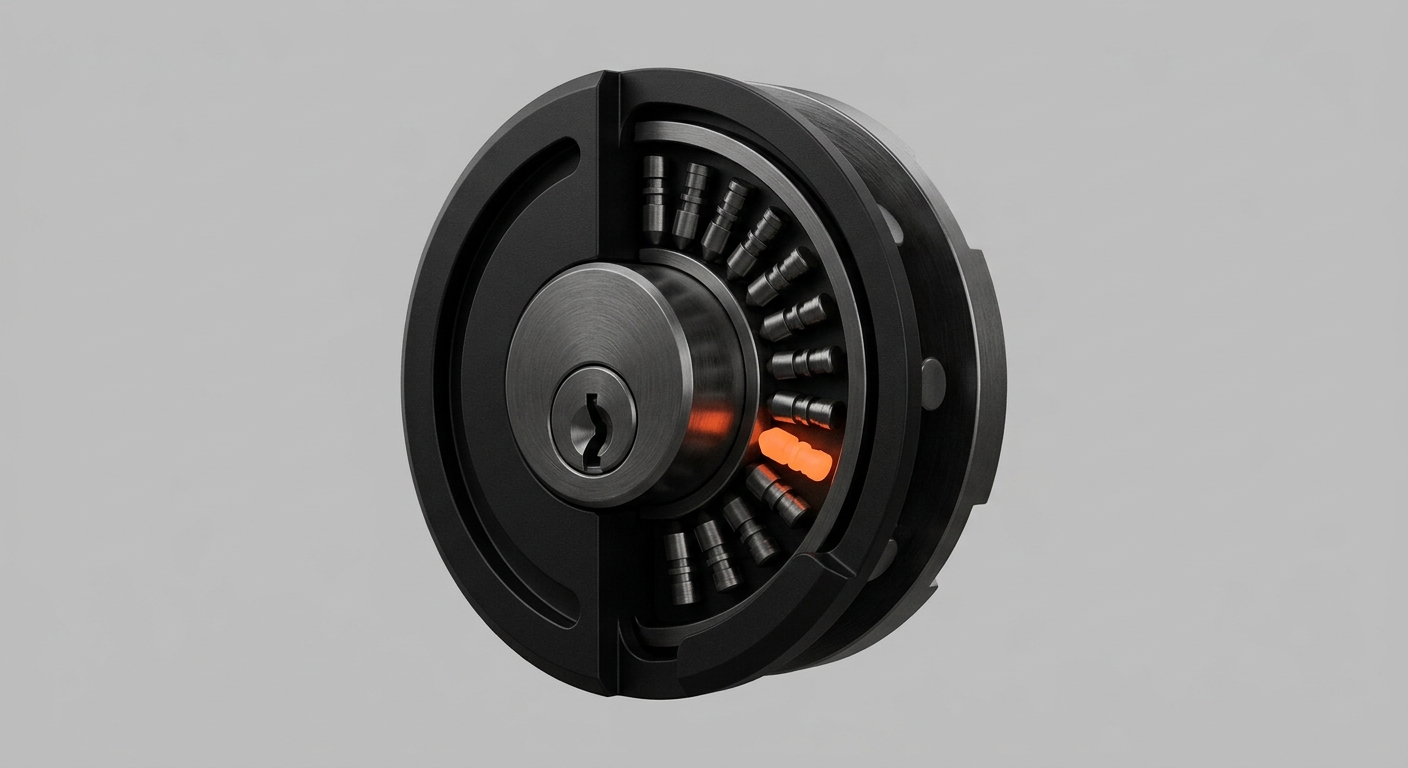
Multi-tenant architecture is a design pattern in which a single application instance and its infrastructure serve multiple customers, called tenants, while keeping each tenant’s data and configuration logically isolated from every other tenant.
Core characteristics of multi-tenant architecture
Multi-tenant architecture treats infrastructure as a shared pool rather than a dedicated allocation per customer, with isolation enforced in software.
- Shared compute, storage, and application code across tenants
- Isolation via tenant IDs, database policies, or per-tenant encryption keys
- Centralized updates and patches applied to every tenant at once
- Capacity scales across the whole customer base, not per customer
Multi-Tenant Architecture vs. Single-Tenant Architecture
Single-tenant architecture gives every customer a dedicated instance and database, with no shared code path. Multi-tenant pools resources to cut cost, accepting software-enforced rather than physical isolation. Single-tenant removes cross-tenant risk by design but multiplies overhead, since every patch happens per customer. Most AI vendors default to multi-tenant and sell single-tenant or hybrid AI deployment as a higher tier.
Importance of multi-tenant architecture in enterprise AI
Multi-tenant architecture underlies nearly all enterprise SaaS, including most AI platforms Mittelstand companies evaluate. IDC forecasts SaaS will stay the largest category of public cloud spending, delivered overwhelmingly through multi-tenant infrastructure because vendors can update and scale capacity across their whole customer base at once. The tenancy model shapes how a vendor answers questions about data residency and data sovereignty.
Methods and procedures for multi-tenant architecture
Vendors implement tenant isolation through one of three data models.
Pooled model (shared database, tenant ID)
Every tenant’s records live in the same database and tables, separated only by a tenant identifier checked on every query.
- Lowest cost per tenant, fastest provisioning
- Isolation enforced entirely in application logic and row-level security
- Requires rigorous testing, since one missing filter can expose data
Bridge model (schema-per-tenant)
Every tenant gets a separate schema in a shared database instance. Queries are scoped to a schema automatically, but tenants still share compute and storage, so noisy-neighbor risk remains.
Silo model (database or instance per tenant)
A dedicated database, sometimes a dedicated instance, per tenant approaches the isolation of on-premise AI while still running on shared cloud infrastructure. Most vendors mix all three: lower-sensitivity customers stay pooled, regulated or high-value tenants move to a silo as needs grow.
Important KPIs for multi-tenant architecture
Tracking multi-tenant architecture requires KPIs across operations, strategy, and quality.
Operational KPIs
- Tenant isolation test coverage: 100% of data-access queries
- Cross-tenant data incidents: zero tolerated
- Per-tenant resource quota enforcement: verified at deployment
- New tenant provisioning time: under 24 hours
Strategic KPIs
Vendors and buyers track the ratio of pooled to siloed tenants against contractual commitments. With 74% of German companies relying on private cloud over public cloud (Bitkom Cloud-Report 2025), Mittelstand buyers increasingly ask vendors for this ratio and a migration path toward dedicated tenancy.
Quality KPIs
Latency and error rates should stay consistent across tenants regardless of database size. A widening spread between fastest and slowest tenant response times signals early resource contention.
Risk factors and controls for multi-tenant architecture
Multi-tenant architecture concentrates specific risks.
Cross-tenant data leakage
A missing or incorrect tenant filter in a shared database can expose one customer’s data to another, the concern most cited by Mittelstand IT leaders evaluating cloud AI vendors.
- Row-level security enforced at the database layer, not just application code
- Tenant-specific encryption keys for data at rest
- Regular penetration testing targeting cross-tenant access paths
Noisy neighbor and resource contention
When tenants share compute and storage, one customer’s usage spike can degrade response times for every other tenant. An AI gateway with per-tenant rate limiting contains this without dedicated infrastructure.
Regulatory and contractual risk
German data protection authorities and the BSI expect documented tenant-separation controls and, above a defined threshold, tenant-specific encryption. Regulated industries such as banking often mandate confidential computing or a dedicated silo, making tenancy a procurement criterion.
Practical example
A 140-employee specialty chemicals distributor in North Rhine-Westphalia wanted an AI agent for customer service, but its compliance team was unsure whether a shared-cloud platform could keep formulation data separate from other customers. The vendor explained that everyday conversations ran in a pooled database with row-level isolation, while proprietary formulation documents moved into a dedicated schema with its own encryption key. This let the company start on the standard tier and upgrade only the sensitive dataset, instead of paying for a fully dedicated deployment.
- Row-level tenant isolation for order and conversation data
- Dedicated encrypted schema for formulation documents
- Documented data flow diagram for customer audits
- Staged upgrade path from pooled to dedicated isolation
Current developments and effects
Three developments are reshaping how vendors design multi-tenant systems.
Tenant-tiering as the new default
Vendors increasingly assign isolation tiers per tenant based on contract value, mirroring how hybrid AI deployment treats infrastructure placement as a per-workload decision.
- Entry-tier customers stay pooled
- High-value or regulated customers get schema- or database-level isolation
- Migration between tiers happens without downtime
Confidential computing entering shared clouds
Hardware-based confidential computing lets providers encrypt tenant data during processing, not only at rest and in transit, narrowing the gap between pooled and dedicated deployments.
Regulatory pressure toward provable isolation
The EU AI Act’s documentation duties and continued DSGVO enforcement push vendors to demonstrate, not just claim, tenant isolation. Concern about dependency on non-EU cloud providers, cited by 78% of German companies (Bitkom, 2025), is accelerating demand for sovereignty guarantees on multi-tenant platforms.
Conclusion
Multi-tenant architecture remains the economic backbone of enterprise SaaS and AI platforms because it lets vendors scale one codebase across thousands of customers. For German Mittelstand buyers, the isolation model behind that scale, not the marketing label, determines whether a platform fits their compliance obligations. The practical answer is rarely a binary choice between shared and dedicated infrastructure, but a tiered approach matching isolation strength to data sensitivity. As confidential computing and regulatory scrutiny mature, provable tenant isolation is becoming a standard procurement requirement.
Frequently Asked Questions
What is the difference between multi-tenant and single-tenant architecture?
Multi-tenant runs one shared instance for many customers, isolated logically. Single-tenant gives each customer a dedicated instance and database, costing more but isolating by default.
Is multi-tenant architecture secure enough for sensitive company data?
Yes, with row-level security, tenant-specific encryption, and regular audits. Security depends on implementation quality, not the tenancy model alone.
Is single-tenant deployment worth it for a company with 100 to 300 employees?
Usually not across the board. Most Mittelstand companies run standard workflows on a well-isolated multi-tenant platform and reserve dedicated schemas for their most sensitive datasets.
How does multi-tenant architecture affect DSGVO and EU AI Act compliance?
DSGVO requires documented measures for tenant separation, and the BSI expects tenant-specific encryption above certain protection levels. The EU AI Act adds documentation duties for higher-risk systems.
Do we need our own IT infrastructure to avoid multi-tenant risk?
No. Most vendors let you choose isolation per dataset instead of requiring a full on-premise buildout, covering most Mittelstand needs without an in-house infrastructure team.
How do AI agent vendors keep tenant data isolated?
Vendors typically combine row-level tenant isolation for everyday workflows with optional dedicated, encrypted storage for the most sensitive datasets. Superkind, for example, connects AI agents to a company’s existing systems such as CRM, ERP, and email, and isolates sensitive data accordingly rather than running everything in one shared pool.