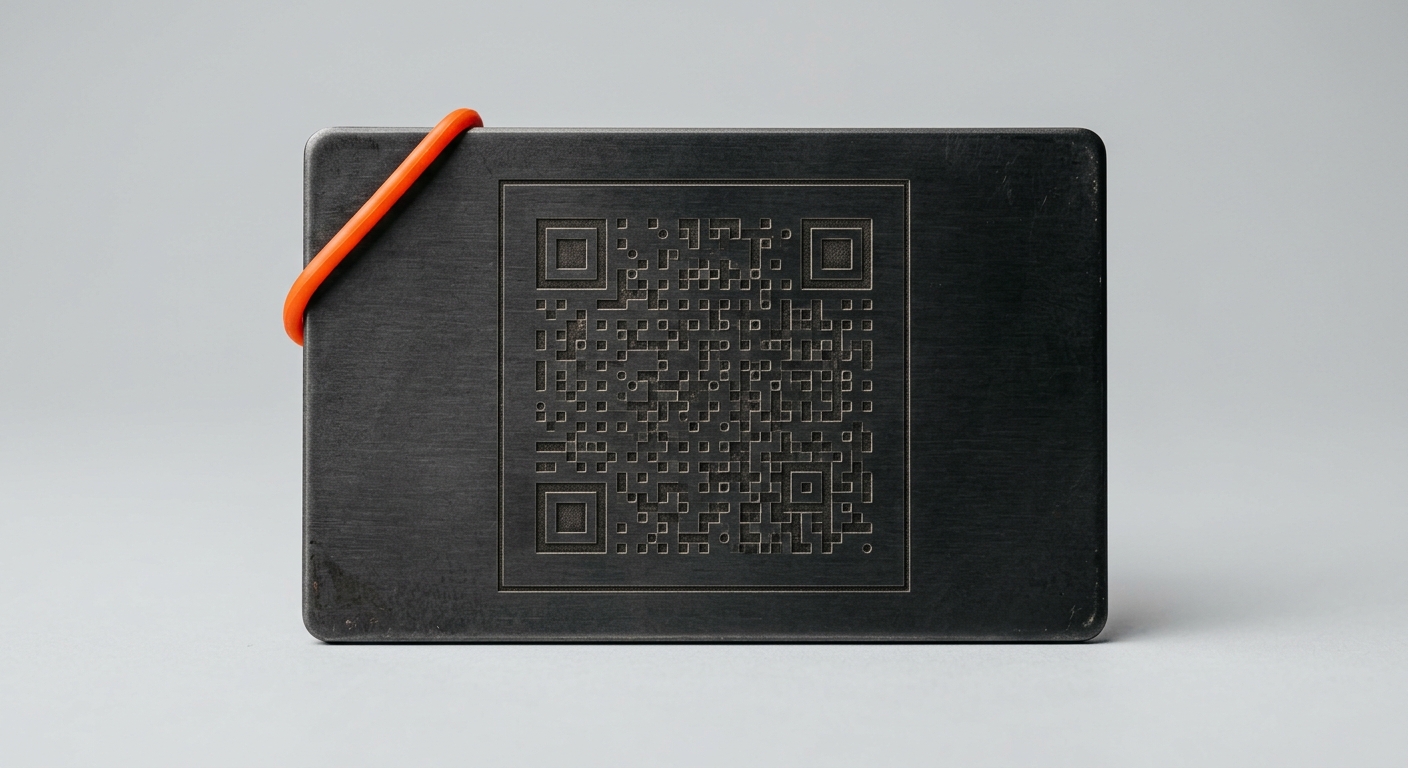
Definition: CE Marking (EU AI Act)
CE marking is the visible or digital label that a provider affixes to a high-risk AI system under Article 48 of the EU AI Act once conformity assessment confirms the system meets the Regulation’s binding requirements.
Core characteristics of CE marking
The mark is a legal claim, not a design choice. Affixing it before assessment is complete is itself a violation, independent of whether the system performs safely.
- Affixed visibly, legibly, and indelibly on hardware, packaging, or accompanying documentation
- A digital equivalent exists for AI systems delivered through a cloud interface or API
- Followed by the notified body’s identification number whenever Annex VII review applied
- Governed by the same general principles as CE marking under Regulation (EC) No 765/2008
CE Marking vs. Conformity Assessment
Conformity assessment is the procedure; CE marking is its outcome. The assessment checks risk management, documentation, and human oversight, while the mark simply signals that this check happened and was signed off in an EU declaration of conformity. A provider treating the mark as a logo added at launch, rather than the last step of a finished file, ends up with a mark that will not survive a market surveillance check.
Importance of CE marking in enterprise AI
CE marking is the one visible signal that lets a high-risk AI system move across all 27 EU member states without separate national approval. Gartner forecasts spending on AI governance platforms, many of which manage conformity records and marking status, will reach 492 million dollars in 2026 and cross 1 billion by 2030 as AI regulation fragments globally.
Methods and procedures for CE marking
Providers follow different placement rules depending on how the system reaches the market.
Physical affixing to hardware and packaging
Where a high-risk AI system ships as or within a physical product, marking follows established EU product conventions.
- Affix the mark directly to the product where physically possible
- Use packaging or accompanying documentation when direct affixing is not feasible
- Keep the mark legible and permanent for the product’s expected lifetime
Digital CE marking for cloud-delivered AI systems
Many high-risk systems, such as SaaS credit-scoring or candidate-ranking tools, never touch physical hardware. Article 48 allows a digital mark here, provided it is reachable from the interface itself or a machine-readable code, not buried in a footer link nobody opens.
Combined marking under multiple Union laws
Where a high-risk AI system is also a safety component of a product regulated elsewhere, such as machinery or medical devices, one CE mark covers both. The provider must show the mark satisfies the AI Act and the other law at once, not just the certification the product already carried.
Important KPIs for CE marking
Tracking marking status is distinct from tracking the assessment work behind it.
Marking and registration coverage
- Percentage of shipped high-risk systems with a correctly affixed physical or digital mark
- Percentage of marked systems also registered in the EU database under Article 49
- Notified body identification numbers verified against the NANDO listing
- Digital marking accessibility tested from the actual customer-facing interface
Notified body identification accuracy
For Annex VII systems, the notified body number printed alongside the mark must match an active NANDO entry. As of April 2026, no notified body was formally designated for AI Act assessments, so any such number could not yet be lawfully issued.
Post-marking audit readiness
Once a system carries a CE mark, teams should produce the underlying technical file and declaration of conformity within days, since the authorities running post-market monitoring can request it without notice.
Risk factors and controls for CE marking
Marking mistakes tend to cluster around timing and format rather than the mark’s appearance.
Premature or unauthorized CE marking
Affixing the mark before the assessment and declaration of conformity are actually complete is a standalone violation, regardless of the system’s real safety.
- Gate marking approval behind a signed declaration of conformity, not a project deadline
- Assign a single owner who authorizes when a mark is applied
- Log the assessment completion date against the marking date
Missing or inaccessible digital marking
A digital mark buried several clicks deep, or hidden only inside a PDF, does not meet Article 48’s accessibility bar and leaves a cloud-delivered system effectively unmarked.
Confusing AI Act CE marking with existing product CE marks
Manufacturers already marking under machinery or medical device law sometimes assume that mark covers an embedded AI component automatically, without the separate assessment the software actually requires.
Practical example
A 70-employee invoice-financing fintech near Frankfurt operates a cloud-based credit-scoring model that banks use to pre-screen small-business loan applications, an Annex III use case with no physical product involved. Before the Act, the scoring dashboard carried no compliance marking at all. After completing internal control assessment, the company added a digital CE mark inside the application interface, linked to a machine-readable declaration of conformity.
- Digital mark placed inside the login-protected scoring dashboard itself
- Machine-readable link to the signed declaration of conformity
- Marking date logged against the assessment completion date for audit purposes
- Customer-facing compliance summary shared with partner banks on request
Current developments and effects
Three developments are changing how providers plan CE marking work.
Digital Omnibus delays most CE marking obligations to December 2027
The Digital Omnibus package, adopted in May 2026, postponed the compliance deadline for Annex III systems from August 2026 to December 2027, directly delaying when most providers must be ready to mark.
- Annex III systems now need marking readiness by December 2027, not August 2026
- Annex I products with embedded AI move to August 2028
- Article 50 transparency labelling stays on the original 2026 schedule and is unrelated to CE marking
Zero notified bodies designated as of April 2026
With no body yet listed in NANDO, providers whose systems fall under Annex VII cannot complete third-party assessment or print a notified body number on their mark yet.
Convergence with other digital marking schemes
Regulators are pushing digital, machine-readable marking across several product laws at once, including the EU’s Digital Product Passport, so digital CE marking infrastructure built now is likely reusable for adjacent disclosure duties later.
Conclusion
CE marking is the final, visible step of a much larger conformity process, not a task a provider can shortcut once the assessment is done. The Digital Omnibus extension changes the calendar for most Mittelstand providers, but not what the mark requires: a completed assessment, a signed declaration of conformity, and, for Annex VII systems, a notified body number that currently cannot yet be lawfully issued. Providers building digital marking into their product interface now, rather than as a launch-week afterthought, are better positioned regardless of which deadline applies to them. Getting the mark right is what makes it defensible the day a market surveillance authority asks what stands behind it.
Frequently Asked Questions
What is the difference between CE marking and conformity assessment?
Conformity assessment is the verification process; CE marking is the label applied once that process is complete and documented in a signed declaration of conformity. The mark carries no technical information, it just signals the assessment happened.
Does our AI system need a physical or a digital CE mark?
Systems embedded in physical hardware use a physical mark on the product or packaging. Systems delivered purely through a cloud interface use a digital mark that must be easily reachable from that interface, not buried several clicks deep.
Is CE marking preparation worth it for a company with around 50 employees?
Yes, if the system genuinely falls under Annex III, since operating without a valid mark blocks EU market access regardless of company size. Companies below that threshold, building purely internal tools, generally have no marking obligation at all.
Is the EU AI Act CE mark the same as the CE mark for machinery or medical devices?
No, but a single physical mark can cover both laws when the AI system is a safety component of an already-regulated product. A distinct AI Act assessment still has to sit behind that shared mark, not just the older certification.
Does the Digital Omnibus mean we can wait until 2027 to think about CE marking?
For most Annex III systems the deadline moved to December 2027, but Article 50 transparency labelling still applies from 2026, and marking infrastructure takes real time to build regardless. Waiting until the new date risks the same notified body queues the extension was meant to relieve.
Do we need our own IT team to handle CE marking?
No. Most Mittelstand providers combine internal product and legal staff with an external partner for the documentation, and adding a digital mark to an interface is a small task once the declaration of conformity exists. Companies like Superkind that build custom AI agents connected to enterprise systems already document data flows and oversight points as part of the build, giving marking work a ready evidence base.